

Your Creditworthiness Already Exists. The System just does not know it Yet.
 By Ebunoluwa
 2026-07-14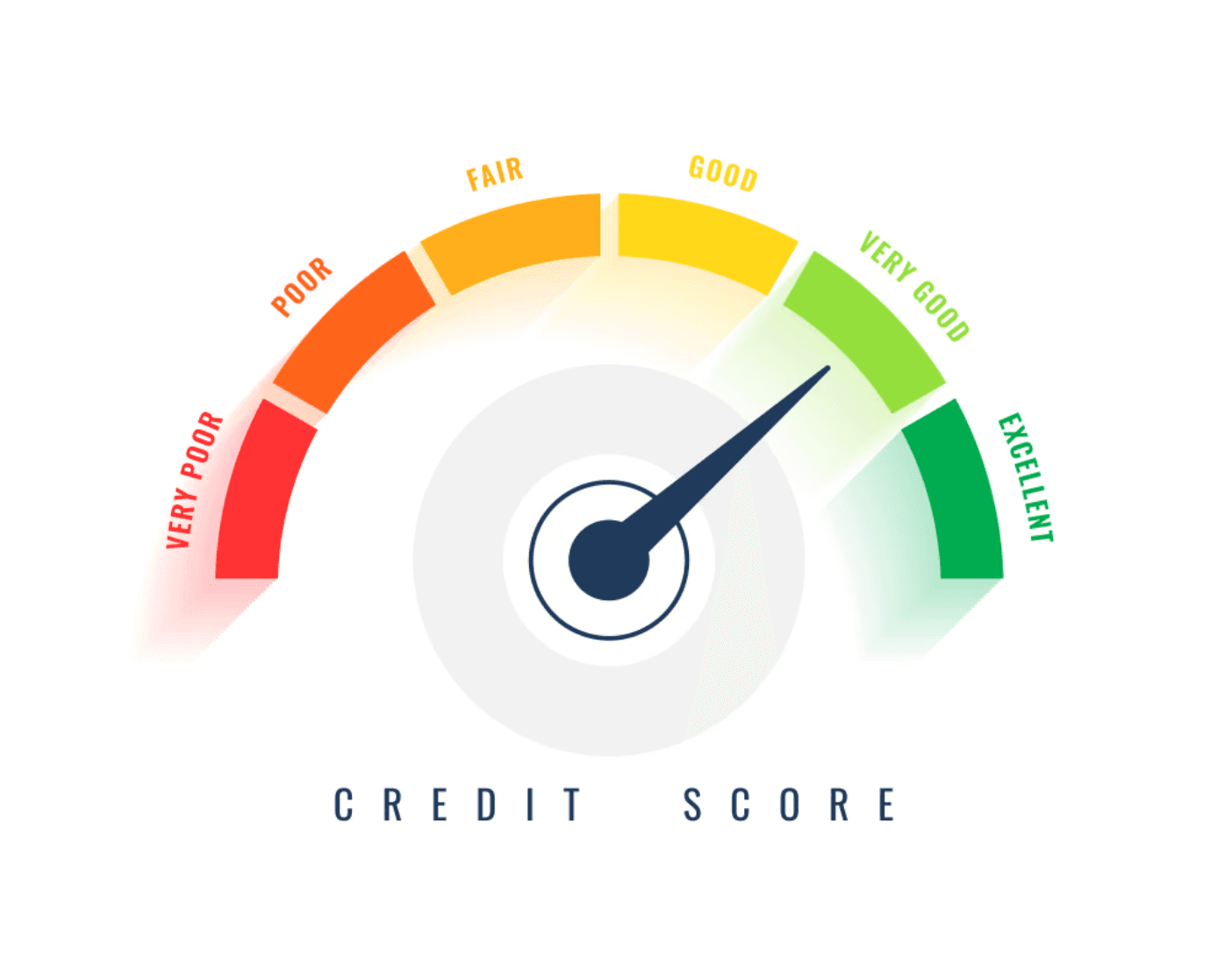
There's an individual somewhere who knows exactly who you are financially. They know whether you haggle too hard or pay without stressing. They know if you round up or ask for change on ₦500. They know if you disappeared three weeks after asking for groceries on credit or if you came back the next morning with the money and a bottle of Coke as an apology.
They have never seen your bank statement. They never ran a credit check, but they have built a detailed, surprisingly accurate picture of your financial character, and it's updated every single time you show up.
This person is your provisions vendor. And they have been credit-scoring you for years.
In Nigeria, we often think of credit access as though it is a foreign concept that has been imported and reluctantly accepted. We see it as something that belongs to Banks, Fintechs and formal institutions, something that requires paperwork and a history of income payments hitting an account on the 25th of every month.
But that is not entirely true.
Credit has always existed here. It just lives in places we don't think to look, it lives in the market woman who lets her regulars pay at the end of the month. In the pepper seller who keeps a mental tally of who owes what and who always settles. In the mechanic who gives a known customer a discount before the job is done because he already knows the person is good for it.
These are not acts of charity. They are acts of assessed risk. Somewhere, someone looked at your behaviour over time and decided: This one, I can trust.
That is credit scoring. It just goes by its common name; My Customer.
What the Roadside Already Knows
Think about the young person who just bought a new car and quietly stops visiting the roadside vendors they used to buy from every week. The suya spot. The fruit seller. The woman with the best tomatoes on the street.
Not because the quality dropped, they have just gotten a car and feel they should also upgrade where they shop. The car says they've moved up. So they choose a controlled environment; the supermarket. Cleaner. More anonymous. More aspirational.
It's an understandable impulse. Social mobility in Lagos is a performance as much as it is a reality.
But here's what that move actually costs them, beyond the price difference between a market tomato and a Shoprite tomato: they are opting out of a trust-building system they didn't even know they were enrolled in. Every week they showed up, paid without drama, tipped a little, and came back, they were making deposits into an informal credibility account. The vendor was watching, the way people who extend trust always watch the people they extend it to.
Leave that ecosystem, and the account doesn't transfer. It doesn't follow you. It simply closes.
Trust Is a Protocol
What makes informal credit scoring work is simply pattern recognition.
The vendor isn't giving you credit because she likes your face. She's giving it to you because you've consistently paid without being chased, and you've treated the relationship with a certain basic respect.
That pattern is the same thing formal credit bureaus are trying to capture when they track your repayment history, your credit utilisation, how often you apply for new credit, and how long you've maintained existing lines.
The logic is identical. The infrastructure is not.
And that gap between the logic and the infrastructure is where most Nigerians fall through. It's not that they are uncreditworthy; it's just that the evidence of their creditworthiness exists only in someone else's memory.
The suya seller already knows you're creditworthy. Now it's time to make sure the financial system knows too.
Your Takeaway
Trust shouldn't stop at your neighbourhood, the next step is to ensure it extends to the financial formal system.
By building your financial identity today, you're creating opportunities that extend far beyond your next credit; from better access to credit to greater financial freedom.